


You're choosing a gift for someone who already knows their whisky, or you're sourcing client gifts that need to look polished without feeling generic. The box may catch your eye first, but the recipient will remember the weight of the glass, the quality of the pour, and whether the accessories make the drink better or merely fill space.
A whisky gift set with glass is a good gifting option when every component serves the same purpose. For personal celebrations, birthdays, anniversaries, and wedding parties, that means a memorable object the recipient can use repeatedly. For corporate buyers, it means a refined, practical gift that supports client appreciation, employee recognition, company events, and premium holiday campaigns.
Rethinking the Whisky Gifting Experience
A client opens the box, lifts the glass, and notices its weight before examining the logo. If the vessel feels thin, the chilling accessory is awkward, or half the contents have no clear purpose, polished packaging cannot rescue the gift. A crowded presentation often creates expensive clutter rather than lasting value.
Start with coherence. Every component should support the same drinking experience. The glass must suit the recipient's preferred pour, the chilling medium must work with that vessel, and the packaging must protect the set without becoming the main event. This standard matters in personal gifting and in B2B programs, where a practical gift reflects the judgment of the buyer and the values of the company.
Gifting remains a major reason people buy whisky glass sets. Retail category evidence, including the selection referenced in Whisky glass market analysis and gifting data, points to a market shaped by occasion purchases as well as personal use. That makes recipient fit more important than shelf appeal. A set should feel chosen for how someone drinks, not assembled to make a box look full.
Premium means usable
A serious bourbon or whisky drinker needs a tumbler that sits securely in the hand, has a durable rim, and supports neat pours, ice, or a non-diluting chilling accessory. Those are also the qualities a corporate recipient will notice at home. The right gift earns regular use because it works without requiring a new ritual or careful handling.
A simple test filters out weak options quickly.
Practical rule: If the packaging appears more considered than the glassware, keep searching.
The same principle applies to occasion keepsakes. Someone comparing a whisky present with a wedding morning champagne keepsake is judging presentation, personalization, and whether the object will remain useful after the event. Personal details should mark the occasion without turning the item into a disposable photo prop.
Individual buyers should match the set to the recipient's habits. Choose a broad, stable tumbler for flexible home-bar use, or a more specialized vessel for someone who drinks whisky neat. B2B buyers should prioritize restrained design, durable construction, and consistent quality across a broad recipient group. A focused set with fewer, better components will usually serve both the drink and the brand better than a box filled with novelty tools.
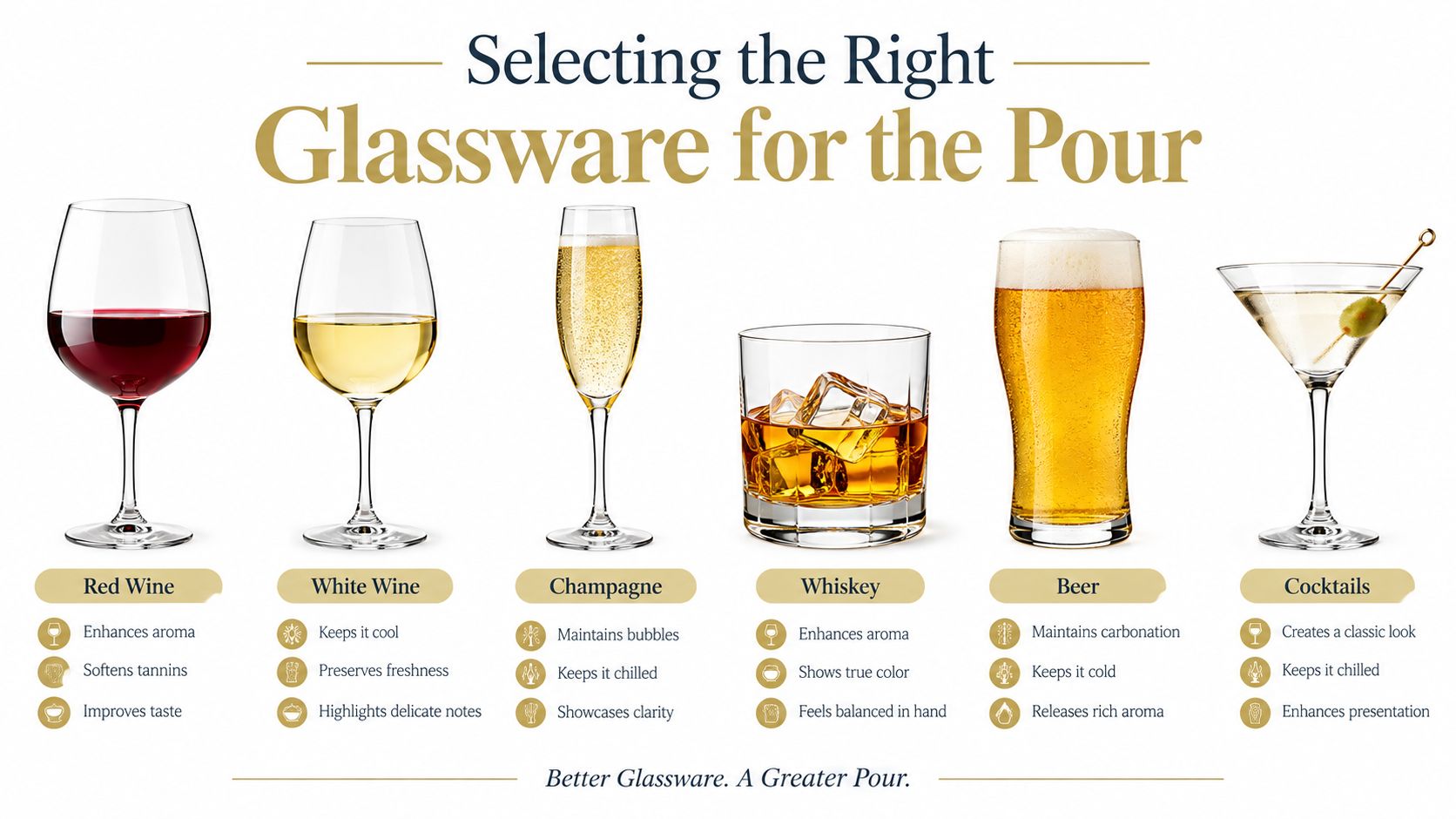
Selecting the Right Glassware for the Pour
A whisky gift set succeeds at the first sip, not at the moment the box opens. Select the vessel by the recipient's drinking habits, then check its proportions, construction, and fit with the rest of the set. A coherent glass and accessory combination creates a better experience than elaborate packaging built around mediocre glassware.
Match the vessel to the drinking style
A weighted tumbler is the strongest all-purpose choice for a mixed recipient group. Its broad opening accommodates whisky served neat, over ice, or with stones, while its short profile feels natural for a measured pour. The tumbler remains the most familiar and versatile format for home bars, which makes it a reliable selection for corporate gifting programs.
A crystal tumbler adds clarity and tactile presence. It helps the color of scotch or bourbon stand out, while a substantial base keeps the glass balanced on a bar or table. A twist glass offers a more sculptural profile and suits recipients who value distinctive design alongside conventional rocks service.
A nosing glass serves a more specific purpose. Its narrower opening concentrates aromas, making it the better choice for someone who drinks whisky neat or compares different expressions. It will frustrate a recipient who prefers large ice, whisky cocktails, or a highball. Corporate buyers should use this format only when the recipient profile supports it.
Liquor.com's glassware guide puts whisky gift set capacities at 5.9 to 11.5 ounces, with compact footprints near 3 to 4.5 inches tall, which suits standard 1.5 to 2 ounce pours. Use that range as a practical filter, then confirm that the bowl, rim, and base fit the intended service style.
Inspect the rim and walls
Thin rims can feel refined, but they require more careful handling. If the set includes rigid chilling stones, choose a thick-rimmed, weighted tumbler or lead-free crystal rocks glass. A stronger vessel gives the recipient more tolerance when placing solid accessories into the drink.
Rigid chilling media can create concentrated impact and thermal stress in thin-rimmed or laser-cut glass. Rounded stones, careful placement, and a vessel without a narrow rim reduce the chance of chips or small structural failures during repeated use. (Guidance on whiskey stones and glass safety)
Inspect the glass in person or request detailed product images. Check for consistent wall thickness, a stable base, and a rim that matches the recipient's habits. A fragile glass that photographs well beside a bottle is a poor long-term gift.
For presentation-led gifting, The Privilege Collection, Soleil Glass Edition uses crystal glass intended to highlight the rich color of scotch or bourbon, with emphasis on brilliance, clarity, style, and craftsmanship. It suits someone who values a memorable tumbler and a focused tasting experience.
Corporate buyers should plan protection for transport and redistribution. Bubble Wrap Rolls can protect individual sets during assembly, but the main safeguard should be a rigid, properly fitted presentation box. Before finalizing the assortment, compare shapes and use cases in this guide to glassware for whiskey.
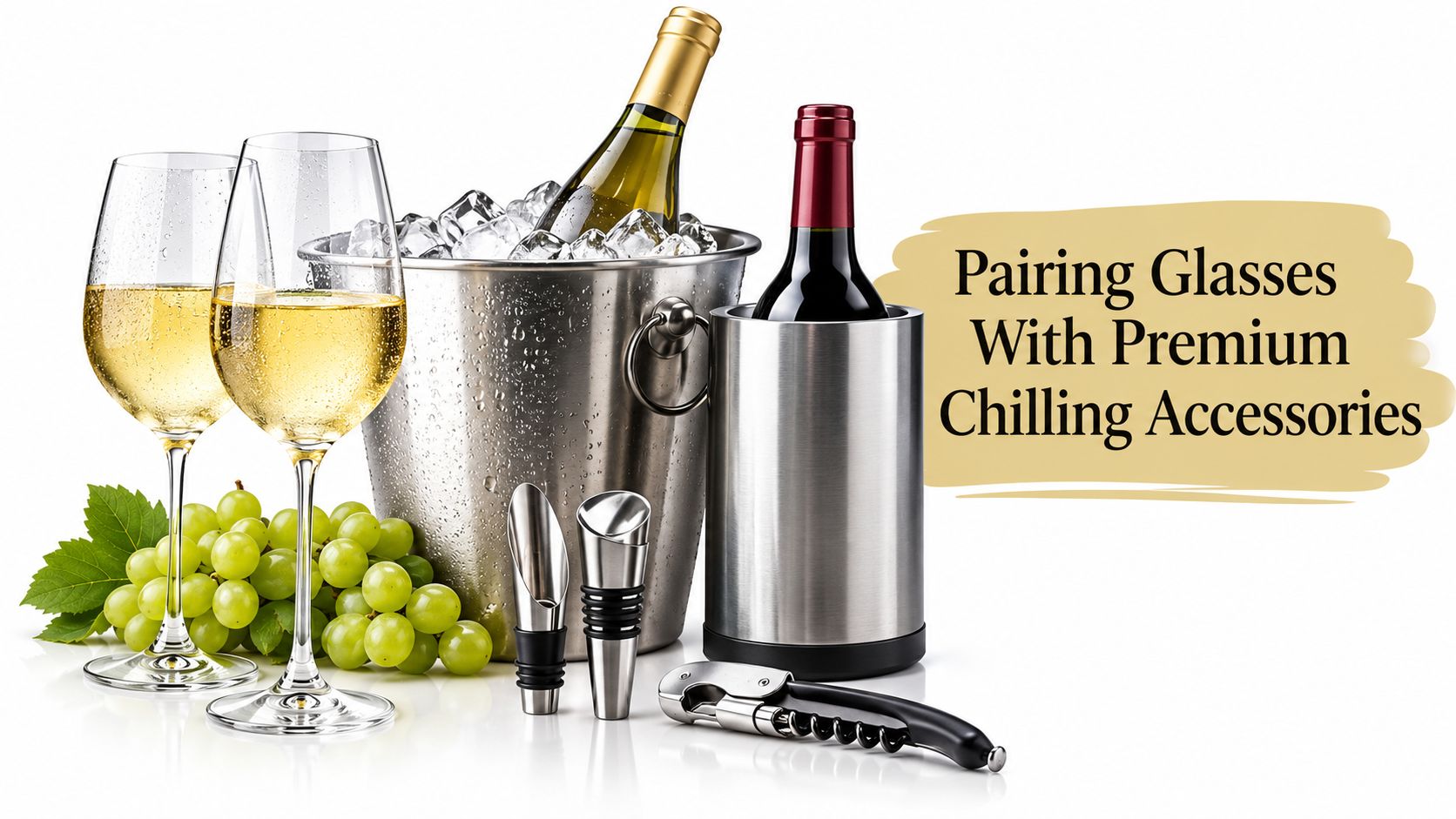
Pairing Glasses With Premium Chilling Accessories
A good chilling accessory should complement the glass, not compete with it. Traditional ice, granite stones, and other reusable chilling media each create a different drinking experience, so the right choice depends on whether the recipient values dilution, temperature control, or convenience.
Traditional ice is familiar and flexible. It chills quickly, softens the whisky as it melts, and suits drinkers who enjoy the changing character of a pour. Large-format ice offers more control than a handful of small cubes, but it still introduces water over time.
Whiskey stones offer a non-diluting alternative. They chill the drink without melting into it, which appeals to serious enthusiasts who want to preserve the original concentration. They also create a distinctive ritual, especially when the set includes a dedicated storage container and a substantial rocks glass.
The trade-off is that stones don't behave like ice. They need to be chilled in advance, and their performance depends on the material, shape, and contact with the drink. They should never be dropped into a delicate glass without checking the vessel's construction.
Build a compatible pairing
The strongest combinations are functional and visually consistent. Pair a heavy crystal tumbler with rounded granite stones when the recipient prefers whisky on the rocks without dilution. Pair a nosing glass with a non-diluting accessory only when the glass has enough structural resilience and the user understands how to place the stones gently.
A twist crystal glass can work with iconic granite stones when the glass has a stable base and sufficient wall thickness. A heavy Soleil tumbler is another logical match for a recipient who values clarity and a substantial feel. In both cases, the pairing should feel deliberate rather than like unrelated products placed in one box.
Put the stones into the glass gently, never from a height. Cold accessories and glass should meet gradually, not under impact.
Storage matters too. A reusable chilling medium should have a defined place in the gift set, whether that's a fitted insert, a pouch, or a container that keeps the stones clean between uses. A loose accessory rattling around the box lowers the perceived quality and increases the chance of damage.
Buyers who want a deeper comparison of non-diluting options can review this guide to chilling stones for drinks. The important decision isn't whether stones are fashionable. It's whether the selected glass, chilling medium, storage method, and recipient's drinking style form one coherent experience.
For a premium gifting assortment, avoid adding accessories just to increase the item count. One well-made glass and one useful chilling solution will create a stronger impression than a crowded set of components with unclear purpose.
The Shift Toward Quiet Luxury and Reusability
The strongest whisky gifts now emphasize what remains useful after the unboxing moment. Reusable glassware, restrained finishes, and practical accessories fit a broader preference for gifts that feel intentional rather than disposable.
One 2026 industry insight reports that 68% of buyers prefer reusable, repairable accessories over disposable experience kits. The same coverage points to demand for lead-free, dishwasher-safe glassware, transparent provenance, tactile finishes, and understated presentation. (2026 gifting preferences and reusable accessories)
That preference changes the buying question. Instead of asking how many extras fit inside the box, ask whether the recipient will still use the main pieces after the bottle is empty. A glass that can move from a holiday gathering to an ordinary evening has more value than a novelty tool that only works for one staged occasion.
Why this matters for companies
Corporate gifting operates at a much larger scale, but the recipient's judgment remains personal. A business gift can reinforce care and professionalism, or it can look like surplus promotional stock. Reusable barware gives companies a way to offer something tactile and lasting without relying on loud branding.
The corporate gifting market was valued at USD 892.4 billion in 2024 and is projected to reach USD 966.3 billion in 2025, with one outlook projecting USD 1.977 trillion by 2034 at a 8.28% CAGR. (Corporate gifting market outlook) A separate outlook estimates the market at US$167.5 billion in 2026, rising to US$290.8 billion by 2033 at a 8.2% CAGR. These estimates use different market definitions, but both point to a durable channel for premium business gifts. (Separate corporate gifting market outlook)
Quiet luxury is a practical decision
Quiet luxury doesn't mean plain or forgettable. It means the material, weight, finish, and proportions do the persuasive work. A lead-free crystal glass, a durable weighted base, a reusable chilling accessory, and a compact rigid box can communicate premium quality without a large logo or an excess of decorative parts.
For personal gifting, that restraint feels more thoughtful. For corporate gifting, it helps the item align with brand standards across industries and occasions. Choose durable barware that can be used at home, in an office bar, or during a client dinner, and the gift becomes part of the recipient's routine rather than a temporary campaign prop.
Packaging and Personalization That Elevates the Gift
Packaging has two jobs. It must protect the glass in transit, and it must make the first opening feel deliberate. A soft carton with empty space around a crystal tumbler fails at both tasks, regardless of how attractive the printed sleeve looks.
Rigid presentation boxes solve the practical problem by holding delicate pieces in fitted compartments. They also create a ready-to-gift format that reduces handling before the recipient receives it. In a corporate program, that matters because each set needs to arrive consistently, with the same visual standard and the same protection.
Protect the contents before decorating the box
Start with the internal fit. The glass shouldn't shift when the box is moved, and stones or accessories shouldn't strike the rim. Separate compartments, molded inserts, or dense protective material can prevent contact between hard components and fragile surfaces.
Then evaluate the external finish. A restrained paper wrap, textured board, wood detail, or clean brand mark can signal quality without turning the gift into a billboard. The best packaging gives the recipient room to notice the glass itself.
Personalization should follow the same principle. A discreet monogram, initials, date, or carefully placed corporate mark can make a gift feel specific. Oversized logos and busy graphics can reduce the perceived value, especially when the recipient wants to use the barware at home.
Personalization should identify the relationship, not overpower the object.
For a custom bundle, select the glass first, then choose the engraving location and insert design around its shape. A straight-sided tumbler may support a subtle mark on one face, while a curved or sculptural glass may look better with a small card inside the box. Corporate buyers should request a physical or digital proof before approving a large run.
The guide to personalizing glassware is useful when deciding how to add a name or company identity without undermining the clean appearance of the set. Keep the message short and the placement intentional.
For event distribution, plan the unboxing experience as carefully as the product selection. Confirm that packaging can be stacked, labeled, and shipped without exposing the glass to unnecessary movement. A memorable whisky gift set with glass should arrive looking like a considered choice, not a collection assembled at the last minute.
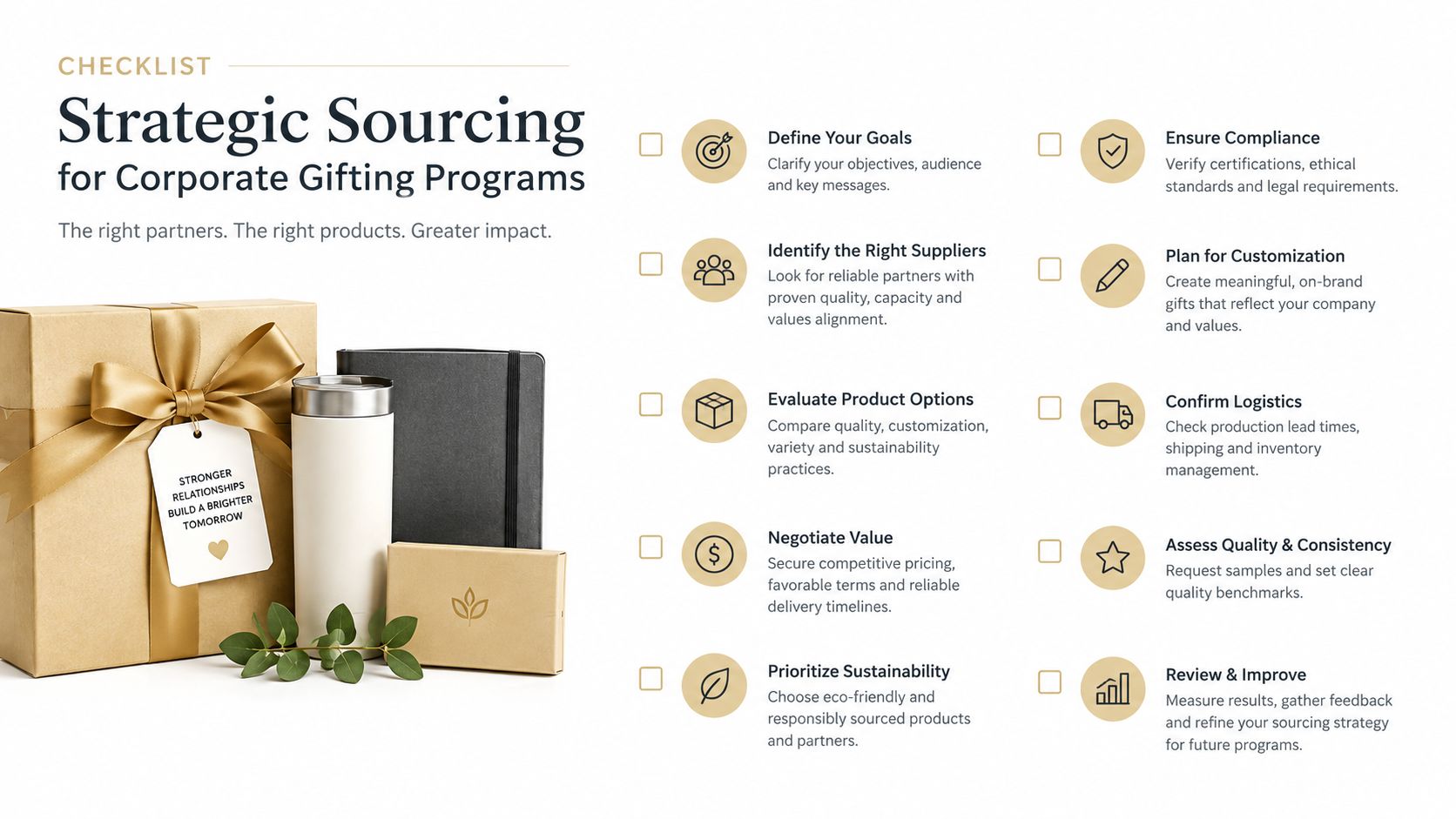
Strategic Sourcing for Corporate Gifting Programs
Corporate buyers need more than a good-looking product page. They need a supplier and assortment that can maintain quality, protect the gift in transit, support personalization, and deliver a consistent experience across clients, employees, and events.
Start with the recipient profile. A client appreciation gift may call for a polished tumbler and non-diluting stones. An employee recognition program may benefit from subtle personalization and a practical box that can be shipped directly. A hospitality or spirits-related company may prefer nosing glassware that reflects the recipient's expertise.
Use a procurement filter
Assess the program against these criteria before discussing volume:
- Glass construction: Confirm the shape, base weight, rim thickness, capacity, and material. Ask whether the glass is lead-free and dishwasher-safe when those specifications matter to your audience.
- Accessory compatibility: Check that any stones or rigid chilling media suit the glass geometry. The set shouldn't pair delicate, narrow-rimmed vessels with hard accessories that require unusually careful handling.
- Packaging integrity: Request details about fitted inserts, individual protection, outer cartons, and replacement procedures for transit damage.
- Brand treatment: Favor understated engraving, a discreet logo, or a bespoke message card over intrusive decoration. The recipient should see the gift first and the sponsor second.
- Ordering consistency: Confirm that the selected design, personalization method, and packaging can be reproduced for future campaigns.
- Distribution support: Establish how the supplier handles addresses, event delivery, regional shipping, and last-minute changes before the campaign begins.
A corporate program should also have a clear occasion strategy. Reserve the most excellent presentation for client milestones, executive recognition, and year-end appreciation. Use a simpler but still durable configuration for broader staff gifting. The objective isn't to make every recipient receive an identical box. It's to make every tier feel intentional.
Test before scaling
Order a sample and handle it as a recipient would. Lift the glass, inspect the rim, place the chilling accessory inside, open and close the box, and check whether the personalization looks refined at close range. If the sample feels cheap or awkward, a larger order won't fix the problem.
Create a simple approval record covering the exact glass, accessory, packaging, artwork, message, and delivery requirements. This protects the brand team, procurement department, and supplier from assumptions that can cause inconsistency later.
The seasonal opportunity is especially clear for premium spirits. One report estimates that the December holiday season accounts for approximately 22% to 28% of annual premium whiskey retail sales in Western markets, as buyers seek tangible gifts for colleagues, clients, and friends. (Premium whiskey holiday gifting data) Plan early enough to approve samples, personalize the order, and arrange delivery before the campaign becomes urgent.
Finalizing Your Whisky Gift Set Selection
The right set doesn't win because it contains the most pieces. It wins because the glass, chilling accessory, packaging, and personalization all support the same drinking ritual.
For a personal gift, begin with the recipient's habits. Choose a weighted tumbler for rocks service, a nosing glass for neat tasting, or a more flexible format for someone who alternates between whisky, cocktails, and highballs. For a company, choose the format that will work for the widest relevant audience while still feeling distinctive enough for the occasion.
The final buyer checklist
Before purchasing, verify these points:
- Glass geometry: Is the vessel appropriate for neat whisky, rocks service, tasting, or longer drinks?
- Construction: Does the base feel stable, and does the rim have enough resilience for everyday use?
- Material: Is the glass lead-free, and are care instructions clear?
- Capacity: Does it sit within the practical range for the recipient's preferred pour?
- Chilling compatibility: Can the glass safely accommodate the included stones or other rigid accessories?
- Handling instructions: Does the set explain how to place, clean, chill, and store the accessory?
- Packaging protection: Are the pieces held securely in a rigid presentation box?
- Personalization: Is the engraving or branding discreet, legible, and approved before production?
- Program fit: Can a corporate supplier reproduce the quality and presentation for future orders?
- Long-term value: Will the recipient use the glass after the occasion has passed?
A premium gift is coherent when the recipient can understand how to use every meaningful component without needing to forgive a compromise.
A whisky gift set with glass is therefore a strong choice for gift seekers, bourbon drinkers, whisky fans, and corporate buyers, but only when function leads the selection. Durable glassware and a compatible chilling medium create the foundation. Protective packaging makes the journey reliable. Subtle personalization gives the gift a reason to be remembered.
Choose fewer, better components. Match them to the pour. Treat the packaging as protection first and decoration second. That approach produces a refined gift for birthdays, anniversaries, client appreciation, employee milestones, and company events, with value that continues long after the box is opened.
ROCKS Whiskey Chilling Stones offers reusable whiskey chilling stones, whiskey glasses, cocktail glasses, cigar accessories, and gift sets for spirits lovers and corporate gifting programs. Visit ROCKS Whiskey Chilling Stones to choose a functional barware gift that pairs premium glassware with a considered chilling experience.


